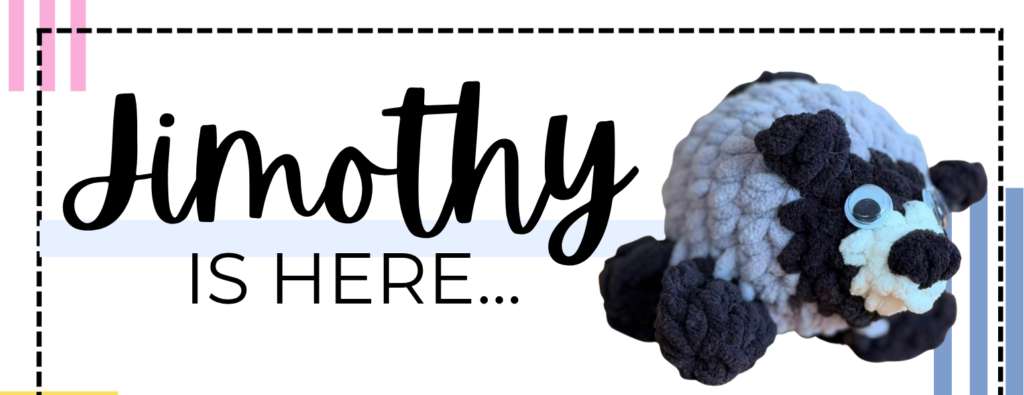
Why Jimothy Captured the Internet’s Imagination
In July 2026, a raccoon with an oddly compact, rounded body started showing up in videos taken around Seattle’s Ballard neighborhood. Within days, “Jimothy” had become an international phenomenon, racking up millions of views, inspiring tattoo flash art, earning an honorary university degree, and getting his own mascot appearance at a Mariners game. For a wild animal who did nothing more than waddle across some grass, that’s a remarkable amount of cultural staying power. Here’s a look at why he struck such a nerve.
An Unlikely Shape, and an Unlikely Story Behind It
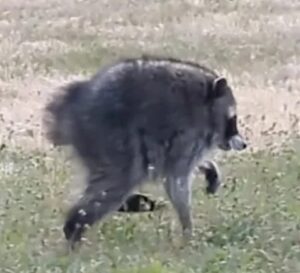
Jimothy’s defining feature is his silhouette: a short, stout, almost spherical body sitting atop long, gangly legs, with a stubby little tail. Wildlife experts believe the look comes from a spinal deformity resembling short spine syndrome, a condition more commonly documented in dogs and rarely seen in other mammals. Despite his unusual proportions, he appears to be a fundamentally healthy raccoon with no apparent issues with mobility or pain, and his survival is widely attributed to attentive care from his mother.
That detail matters. Jimothy isn’t a sick or suffering animal being gawked at — he’s a wild creature who, against some odds, is thriving exactly as he is. That combination of “different” and “doing just fine” turns out to be an enormously sympathetic story.
A Neighborhood Regular Who Became a Star Overnight
Part of what makes Jimothy’s rise so compelling is that he wasn’t new. Residents of Ballard say Jimothy had actually been living in the area for years before he went viral, and one neighbor described first spotting Jimothy and his family about a year earlier, back when Jimothy was just a baby, and losing track of him for six months before being delighted to see him resurface as a local celebrity. Old footage of a young Jimothy with his mother and siblings surfaced once people started looking, retroactively turning him into a raccoon with a documented backstory rather than just a strange internet clip.
The spark that set it all off was ordinary: Seattle resident Kiana Hall encountered the raccoon in July 2026 and posted a video of him to Instagram, and that clip alone had racked up more than seven million views within days. Hall later said she never expected the video to take off, and was glad it seemed to bring people some joy during a hard stretch for a lot of folks. That’s a common thread in viral animal stories — an unplanned, low-stakes moment of delight lands at a moment when people are hungry for exactly that.
He Became a Civic Mascot, Not Just a Meme
What separates Jimothy from a typical viral animal clip is how quickly institutions and local culture absorbed him. The University of Washington gave “Dr. Jimothy” an honorary degree in a social media post, and a local tattoo artist began creating Jimothy-inspired flash art, joking about living in eternal hope of a Jimothy sighting. Seattle City Councilmember Alexis Mercedes Rinck went further, announcing a community celebration and a formal proclamation commemorating “Jimothy Summer,” complete with a Jimothy-themed art competition for local artists. The Seattle Mariners even brought a Jimothy mascot out to participate in their between-innings “Salmon Run” race.
Fans shared illustrations and digital art celebrating him, with slogans like “In Jimothy we trust” and “Protect him at all costs,” and the video introducing him to wider audiences described him as having reached legendary status online. That’s not typical meme behavior – that’s a city adopting an animal as an unofficial symbol.
What He Represents
Officials and commentators leaned into the symbolism almost immediately. Councilmember Rinck put it plainly, saying Jimothy is an example that you don’t have to be perfect to be loved. Coming from a wild animal whose most notable trait is a physical difference he had no say in, that message clearly resonated. People saw in Jimothy a kind of unearned, uncomplicated acceptance that’s harder to find directed at people.
There’s also something disarming about the scale of the reaction relative to the actual event. A short, round raccoon walked across a yard, and it briefly became regional news, civic policy, sports entertainment, and tattoo art all at once. Commentary on the phenomenon has pointed out that Jimothy’s fame says as much about the city and the cultural moment as it does about the raccoon himself. One writer described him simply as a strangely shaped, delightful raccoon whose plucky attitude and odd little body people can’t seem to get enough of.
The Simple Explanation
Strip away the honorary degrees and the mascot appearances, and the core appeal is straightforward: Jimothy looks unlike anything people expect a raccoon to look like, he’s visibly unbothered by it, and he showed up in people’s feeds at a moment when a low-stakes, good-natured story about a weird little animal thriving on his own terms was exactly what people wanted to see. Everything else — the art, the proclamations, the mascot suit — is just a city finding creative ways to keep that feeling going a little longer.
Want Your Very Own Jimothy?
Click here: https://northbayshop.com/JIMOTHY